One checkpoint, four connected decisions
Food machine vision is often introduced through impressive images and broad accuracy claims. The practical questions are less theatrical: what counts as a defect, whether the image is usable, which pack receives the result and how performance was demonstrated.
Tinyblueprintvault is an independent informative website organised around those questions. We write for production managers, quality teams and engineers who need a shared vocabulary before specifying, reviewing or challenging an automated inspection system.
Our unit of explanation is the checkpoint, not the model: product, image, decision, action and evidence.
What we explain—and what we do not certify
Our focus is visible appearance and production consistency. We discuss conventional machine vision and learned models as tools within a controlled inspection process. We do not certify equipment, approve food release or provide site-specific food safety, legal or machinery-safety advice.
A normal-looking product can still contain microbiological or chemical hazards. We keep that boundary explicit because replacing a safety argument with an appearance score is not a harmless simplification.
Our unit of explanation is the checkpoint, not the model.
How to read our sources
Articles point to standards organisations, public institutions and industrial interoperability bodies where they help explain an engineering decision. A reference does not imply endorsement, affiliation or certification. Standards have scopes, editions and application requirements; readers should confirm the current applicable text with its publisher.
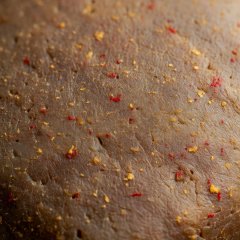
Worked numbers are identified as examples, not measured performance from a named installation. Editorial photographs show context and visible surfaces; they are not a labelled dataset or evidence that a particular defect can be detected.
Corrections and useful questions
We welcome specific corrections, unclear terminology and questions about the four-stage reading route. Include the page address and the statement you want us to review. Please avoid confidential recipes, customer records, production credentials or personal data about colleagues.
Contact the journal